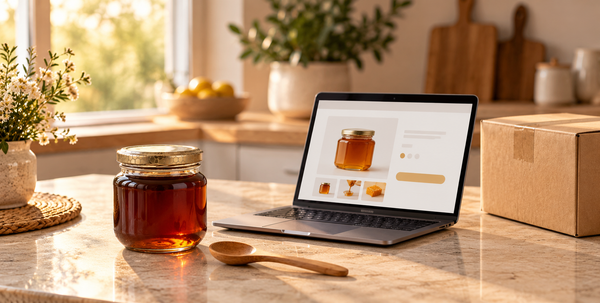
Mad honey is not an ordinary honey. It contains naturally occurring grayanotoxins from rhododendron nectar, and the amount varies from batch to batch.
That is why it comes with a clear limit: never more than 5 g a day – less than one level teaspoon, for adults only.
A responsible approach starts with understanding the product and choosing a trustworthy source.
How Much Mad Honey Per Day?
Up to 5 g a day – less than one level teaspoon, for adults only.

Why Mad Honey Is Different From Regular Honey
The difference comes down to what is inside the honey. Unlike ordinary honey, mad honey contains naturally occurring grayanotoxins that come from certain rhododendron species visited by bees during the harvesting process.
The amount of these compounds can vary depending on several factors, including the flowers available to the bees, the region, altitude, season, and specific harvest conditions. This means two jars labelled as mad honey may not necessarily have the same character.
Origin can provide clues, but it does not tell the full story. A honey’s region may suggest whether it tends to have a darker, heavier profile or a lighter one, but the specific batch is what determines what is actually in the jar.
What Happens If You Take Too Much Mad Honey?
Eating more than 5 g a day can cause dizziness, nausea, cold sweats and low blood pressure. If that happens, stop, drink water and rest; if symptoms are severe, call 112 or see a doctor.
Who Should Not Use Mad Honey
Not recommended for children, during pregnancy or breastfeeding, for people with heart or blood pressure conditions, or if allergic to honey. Taking medication? Ask your doctor first.

How to Choose Tested Mad Honey
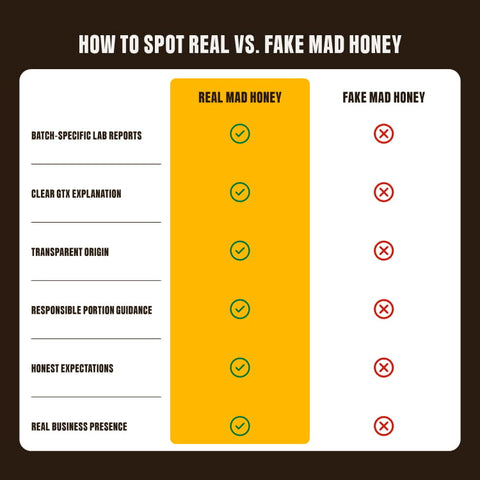
Because mad honey varies naturally between batches, understanding where it comes from is only part of making an informed choice. A trustworthy product should provide information about the specific honey being sold rather than relying only on general descriptions.
Published batch testing is one of the most important indicators because it provides information about the actual product rather than assumptions based on colour, origin, or reputation.
A transparent seller should also provide clear sourcing information and a clear limit. These details help buyers understand what they are purchasing before they try it.

What to Look for When Buying Mad Honey
Published Batch Testing
Testing connects the product to measurable information. A batch-specific analysis provides a clearer picture than a generic report that may not correspond to the honey currently being sold.
Clear Sourcing Information
Origin matters because mad honey is shaped by the environment where bees forage. A seller should be able to explain where the honey comes from and how it reaches the customer.
A Clear Limit
A trustworthy seller should avoid encouraging excessive use or making unrealistic claims, and should state a clear maximum amount.
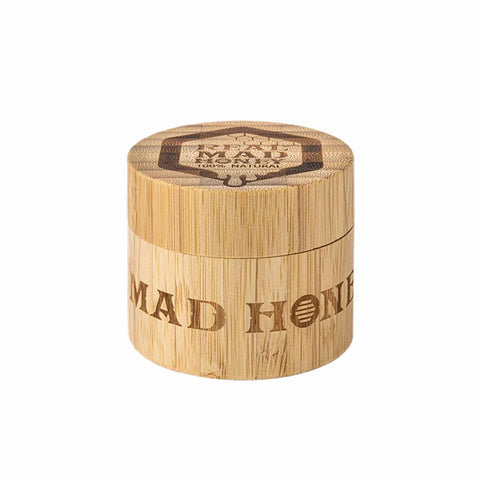
Real Mad Honey follows this approach through Himalayan sourcing, independent laboratory testing, and published batch analysis. The focus is on transparency and helping customers understand the honey they are buying rather than leaving grayanotoxin content to guesswork.
Conclusion: How Much Mad Honey Per Day?
Up to 5 g a day – less than one level teaspoon, for adults only.
Grayanotoxin content varies between batches, which is why a published lab report for the batch on sale matters.
The most important factors are choosing a transparent source, checking the batch lab report and staying within the 5 g limit.