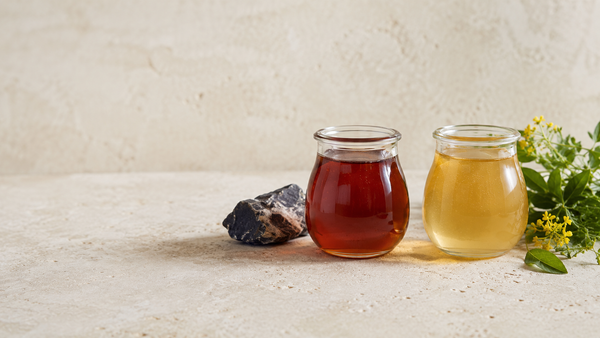
Mad honey has been surrounded by curiosity for centuries. Long before it became a modern niche product, communities in regions where it naturally occurs valued it for its unusual characteristics and incorporated it into traditional practices.
Unlike ordinary honey, mad honey contains naturally occurring compounds from rhododendron nectar that give it a very different identity. This has led to centuries of stories, beliefs, and uses that have shaped how people view it today.
The challenge is separating tradition from evidence. Historical use can tell us why people have valued a product, while modern research helps explain what is actually happening at a biological level.

What Is Medicinal Mad Honey?
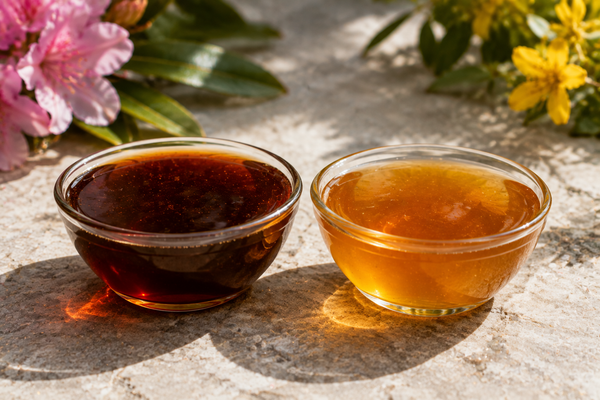
Mad honey is honey produced when bees collect nectar from certain rhododendron species containing naturally occurring grayanotoxins. These compounds are responsible for the distinctive characteristics associated with mad honey and are what separate it from conventional varieties.
The term “medicinal” comes largely from traditional use rather than from modern medical classification. Across different cultures, people have used mad honey as a natural product associated with various wellness traditions, but traditional use and scientific proof are not the same thing.
Understanding mad honey requires looking at both sides: the history that made it culturally significant and the science that explains the compounds behind it.
The Ancient History of Mad Honey Use
Mad honey has one of the most unusual histories of any natural food product. One of the earliest recorded references comes from the Black Sea region, where ancient accounts described honey with unusual effects after soldiers consumed it.
The famous example comes from the Greek historian Xenophon, who described soldiers encountering honey during the retreat of the Ten Thousand in 401 BC. The honey’s unusual effects were linked to local rhododendron nectar, creating one of history’s earliest written accounts of mad honey.
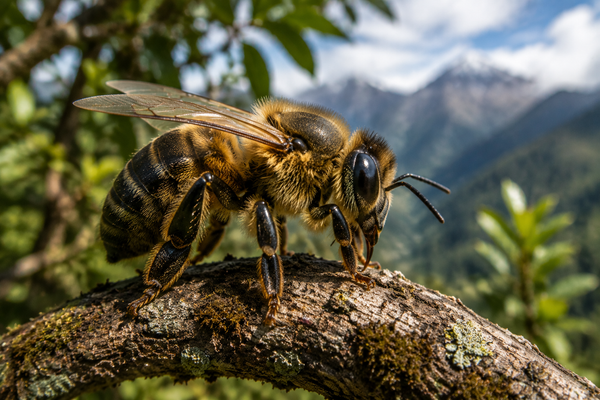
In Himalayan regions, mad honey has also been connected to generations of traditional honey harvesting. Communities have collected wild honey from cliff-dwelling giant Himalayan honeybees, preserving knowledge around the seasonal process and the environments where it is found.
Why Was Mad Honey Considered a Remedy?
Traditional cultures often valued natural products because of the experiences associated with them. Mad honey was viewed differently from ordinary honey because consuming it created noticeable sensations that people interpreted through the beliefs and practices of their time.
Historically, people have associated mad honey with ideas around vitality, relaxation, and general wellbeing. These traditions reflect how communities understood natural products before modern scientific tools existed to analyse individual compounds.
Today, those traditional uses remain part of the cultural story of mad honey. However, they should be understood as historical practices rather than guarantees of specific outcomes.

What Makes Mad Honey Different From Regular Honey?
The difference between mad honey and regular honey begins with the relationship between bees, plants, and the environment.
Regular honey is primarily valued for flavour, sweetness, and floral variety. Mad honey is different because bees collect nectar from certain rhododendron species that contain naturally occurring compounds that influence the final honey.
The bee species, altitude, climate, and available plants all contribute to the final character of mad honey. This is why different regions and harvests can produce noticeably different profiles.
The final product reflects the entire ecosystem behind it — the bees collecting the nectar, the plants growing in that environment, and the conditions surrounding each harvest.
What Does Science Say About Mad Honey?
Research into mad honey centres on grayanotoxins, a group of compounds the bees carry over from rhododendron nectar.
These compounds bind to voltage-gated sodium channels in nerve and muscle cells and slow their return to a resting state. The practical result is prolonged nerve signalling, with the most noticeable effects on the vagus nerve. This is why the recorded effects of mad honey consistently involve heart rate and blood pressure rather than sedation.
The effect is dose-dependent. Small amounts are associated with warmth, lightheadedness, and a slowed physical state. Larger amounts produce the reaction described in the clinical literature, most often slowed heart rate, low blood pressure, nausea, and fainting. There is no separate mechanism for the pleasant version and the harmful one, which is the single most important thing to understand about the product.
Grayanotoxin content varies between rhododendron species, altitude, season, and harvest, which is why batch-level analysis tells you more than country of origin does.
Traditional Uses vs Scientific Evidence
The difference between traditional use and scientific evidence is important when discussing any natural product.
| Traditional Use | Scientific Understanding |
|---|---|
| Valued by communities for generations | Historical use does not automatically prove medical effectiveness |
| Associated with unique sensations | Effects are linked to naturally occurring compounds |
| Passed through cultural traditions | Research continues to examine mechanisms and limitations |
Traditional knowledge can highlight interesting areas for research, but modern science requires controlled evidence before making medical conclusions.
This distinction is what separates a balanced discussion from exaggerated claims.

Why Quality and Testing Matter With Mad Honey
Because mad honey varies naturally, knowing the origin of a product is only part of understanding it.
The rhododendron species, altitude, harvest conditions, and season can all influence the final honey. Two jars from different batches may have different characteristics even if they come from the same region.
Testing provides more transparency because it gives information about the specific batch rather than relying only on general descriptions or assumptions based on where the honey comes from.
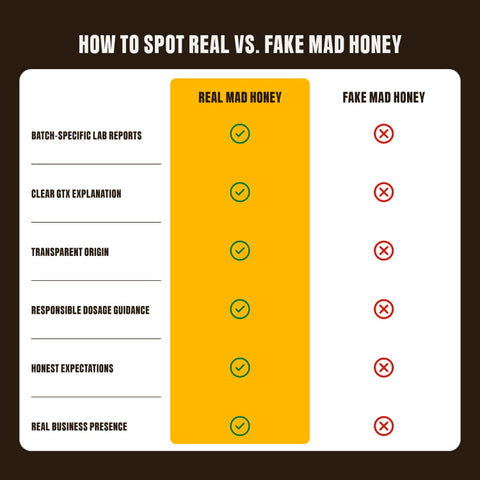
When buying mad honey, important factors include:
-
Clear sourcing information
-
Batch-specific laboratory analysis
-
Transparent product information
-
Responsible guidance around use
Quality testing does not change the traditional nature of mad honey, but it gives buyers a clearer understanding of what they are purchasing.
Can Mad Honey Replace Modern Medicine?
Mad honey should not be viewed as a replacement for medical treatment or professional healthcare.
The fact that a product has been used traditionally does not mean it can treat medical conditions. Many natural products have long cultural histories while still requiring careful interpretation through modern scientific standards.
The most realistic way to view mad honey is as a traditional natural product with a unique history, unusual chemistry, and cultural significance.

Where to Buy Tested Mad Honey
Because mad honey is naturally variable, transparency matters more than simple claims about origin.
A trustworthy seller should be able to explain where the honey comes from, how it was harvested, and what information is available about the specific batch.
Real Mad Honey focuses on Himalayan sourcing, traditional harvesting communities, and independent laboratory testing to provide more visibility into each batch. The focus is on helping customers understand the product they are buying rather than relying only on reputation or tradition.
Takeaway: The Truth About Medicinal Mad Honey
Mad honey sits between history and modern science. For centuries, communities have valued it as a unique natural product, while modern research has helped explain the compounds responsible for its unusual characteristics.
The most accurate view is neither that mad honey is a miracle remedy nor that its traditional importance is meaningless. Its story comes from the combination of cultural history, natural chemistry and the environments where it is produced.
Understanding where mad honey comes from, how it is made and what science actually says allows people to appreciate it for what it is: one of the world’s most distinctive traditional honeys.