Key Takeaways
- Tradition: Small amounts of mad honey have long been taken in Nepal and Turkey as a way to unwind.
- Experience: Many people describe a calm, slowed-down feeling after a small amount, though effects vary from person to person.
- Everyday stress: Mad honey isn't a treatment for anxiety, but some people make it part of a relaxing evening ritual.
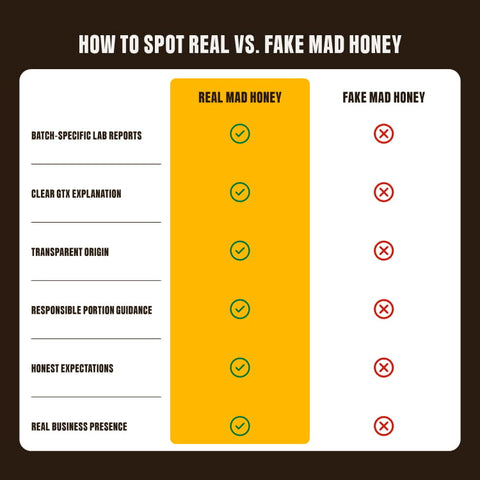
- Quality: Only buy lab-tested mad honey from a seller who publishes a report for every batch.
- Safety: Avoid mad honey if you take anti-anxiety medication, sedatives, or sleep medication.
After a long week, plenty of people look for a gentler way to switch off than a glass of wine. Mad honey comes up often in that search, and for good reason. People have been taking it to unwind for generations.
Mad honey for anxiety is best understood as a tradition, not a treatment. People in Nepal and Turkey have long taken small amounts of mad honey to unwind, and many people today describe a calm, settled feeling after a teaspoon.
No human clinical trials have tested mad honey for stress or anxiety, though, and it doesn't treat any condition. If you're looking into mad honey as natural anxiety relief, it helps to know what people describe, who it isn't suitable for, and why the quality of your jar matters.
Mad Honey as a Traditional Way to Unwind
Mad honey has been part of life in the mountains of Nepal and along Turkey's Black Sea coast for generations. In both places, it was never an everyday sweetener. It was something taken in small amounts, with respect for how strong it could be.
Accounts from both regions describe people taking a spoonful to rest after hard physical work or to relax at the end of the day. These traditions grew out of experience, passed down through families rather than written into any medical text, and they're part of what makes mad honey so interesting.
Traditions tell us how people have used mad honey, though, not whether it works. Modern research hasn't tested these traditional uses, and the evidence for mad honey's medicinal uses isn't there yet. A long history and proven benefits are two different things.
How People Describe Mad Honey's Calming Effect
The effects people describe come from grayanotoxins, natural compounds found in the nectar of certain rhododendrons. Bees carry them into the honey, and they act on the nervous system. That's likely why a small amount can bring on a noticeable change in how people feel.
Most people describe the feeling as calm and slowed down. Some notice a light, warm sensation in the throat soon after swallowing, followed by a relaxed heaviness in the body. Others say their thoughts feel quieter, and it becomes easier to settle into the evening.
Not everyone feels the same thing, though. Some people feel the effects clearly, while others notice very little, and both are normal. Body weight, what you've eaten, and the strength of the batch can all play a part. The honest way to think about mad honey is as an experience that varies, not a guaranteed result. Knowing what mad honey feels like, including what's normal and what isn't, makes a first try far less of a surprise.
Mad Honey for Everyday Stress vs. Anxiety
There's a difference between the ordinary stress of a busy week and anxiety that doesn't go away. Everyday stress comes and goes with deadlines, family life, and a few bad nights of sleep. Some people like mad honey as a slow, quiet way to mark the end of a stressful day, in the same way others might light a candle or take a long bath.
Anxiety that's persistent, or that gets in the way of your work, sleep, or relationships, is something else. Mad honey is no substitute for professional support. If that sounds like you, talk to a doctor or a mental health professional. They can help you find support that's been properly tested.
Mad honey is also a poor fit for anxious moments themselves. Its effects can be unpredictable, and taking too much can cause dizziness, nausea, or a slow heartbeat. For someone already feeling on edge, those physical sensations can be unsettling and may feel similar to the physical side of anxiety. It's not something to reach for during a panic attack or an anxious spell.
The table below gives a quick overview of when mad honey can be a good fit and when you should skip it.
| When you're considering mad honey | Is mad honey a good fit | Why |
|---|---|---|
| Using mad honey to unwind after a busy week | Yes | Many people describe a calm, slowed-down feeling from a small amount, as long as no health conditions or medications rule it out |
| Taking mad honey on a quiet evening at home | Yes | A quiet evening with nothing planned gives you time to notice how mad honey affects you |
| Taking mad honey as part of a calming bedtime routine | Yes | Many people describe a relaxed, drowsy feeling after a small amount, with some people claiming it helps them fall asleep |
| Using mad honey for persistent anxiety that affects daily life | No | Mad honey isn't a treatment for anxiety, and a doctor or mental health professional can offer tested support |
| Taking mad honey during a panic attack or anxious spell | No | Mad honey's effects are unpredictable, and side effects like dizziness can feel unsettling when you're already on edge |
| Taking mad honey before a stressful event, like a job interview, exam, or presentation | No | Mad honey's effects are unpredictable and can leave you feeling slowed down or dizzy when you need to be clear-headed |
| Using mad honey instead of prescribed anxiety medication | No | Mad honey isn't a treatment for anxiety, and prescribed medication should never be stopped or changed without your doctor |
| Taking mad honey with anti-anxiety medication, sedatives or sleep medication | No | Mad honey may add to the sedating effects of these medications |
| Taking mad honey on a day when you're drinking alcohol | No | Mad honey and alcohol can both lower blood pressure and cause dizziness |
Mad Honey and Anti-Anxiety Medication
Don't take mad honey if you use sedatives, including some anti-anxiety medications, or sleep medication. Mad honey can bring on a heavy, relaxed feeling, and together with a drug designed to calm you or make you drowsy, it may leave you far more sedated than you expect.
If you take any other medication for your mental health, ask your doctor before trying mad honey. Never stop or change a prescribed medication in favor of mad honey. It also isn't suitable if you take heart or blood pressure medication.
Why Quality Matters When You Use Mad Honey to Unwind
Mad honey is a wild product, and its grayanotoxin levels change from harvest to harvest. One jar can be noticeably stronger than another, even from the same region. When you're taking mad honey to relax, an unexpectedly strong batch is the last thing you want.
That's why the seller matters as much as the honey. A reputable seller has every batch tested and publishes the results, so you can match the report to the batch number on your jar. They name the region the honey comes from, give clear serving guidance, and don't promise that mad honey will fix anything.

We have every batch tested by a third-party lab and publish the results in our batch lab reports. Batches that come back outside our safe limits or look inconsistent are rejected.
How to Use Mad Honey as Part of a Relaxing Ritual
If you'd like to try mad honey to unwind, the ritual matters as much as the honey. Pick a quiet evening at home, with nothing demanding planned for the rest of the day, and give yourself time to notice how you feel.
- Start small: Take 1 teaspoon (about 5 ml), and stick to one teaspoon on a first try.
- Give it time: Effects usually begin within 15-60 minutes and last 1-4 hours.
- Wait before more: Wait 45-60 minutes before even considering a second serving.
- Keep it cool: Stir it into tea only once the drink has cooled below 40°C, since heat can weaken mad honey's effects.
- Skip the alcohol: Don't mix mad honey with alcohol, and don't drive afterward.
Many people like to take mad honey slowly, straight from the spoon or in a warm (not hot) cup of tea, and then settle in with a book or some music. There's no right way to feel. If you notice very little the first time, that's normal, and it's not a reason to take more that evening.
It’s important to stick to the dosage guidance. Taking too much can bring on dizziness and nausea, which is the opposite of the calm evening you had in mind.
Final Thoughts
Mad honey has a long history as a way to unwind, and many people today describe a calm, slowed-down feeling after a small amount. It isn't a treatment for anxiety, though, and no human clinical trials have tested it for stress. Think of it as an old tradition you might enjoy, not a fix.
If you're dealing with everyday stress and none of the health conditions or medications above apply to you, a teaspoon of tested honey on a quiet evening may be a pleasant ritual. If your anxiety feels bigger than that, the best first step is still a conversation with your doctor.