Mad honey raises many questions, and numerous stories circulate about where it comes from and how it is made. What is really true, and what is a myth? Below, we outline the key facts and myths about mad honey so you know exactly what to look out for.
Table of Contents
Mad honey is a unique product that has been gaining more attention in recent years, but there is still a lot of confusion about what it actually is. This special honey, originating from the mountainous regions of Turkey and Nepal, is known for its dark colour and slightly bitter taste. But what is the truth about mad honey?
Mad honey contains naturally occurring grayanotoxins from rhododendron nectar, which the bees collect from the rhododendron plants in these regions. It has also been part of various cultures for centuries.
Here, we highlight the facts and myths surrounding mad honey, so you can gain a better understanding of where this fascinating product comes from and how it is made. Discover what’s true and what’s not.
Myths about Mad Honey
Myth : It is suitable for everyone because it is natural : The term "natural" is often associated with safety, but mad honey contains naturally occurring grayanotoxins from rhododendron nectar. The limit: never more than 5 g a day – less than one level teaspoon, for adults only. Not recommended for children, during pregnancy or breastfeeding, for people with heart or blood pressure conditions, or if allergic to honey. Taking medication? Ask your doctor first.
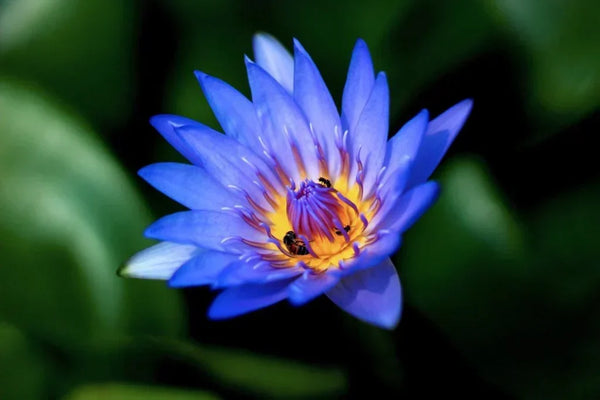
Myth : Only the honey contains grayanotoxins, not the flowers : This is incorrect. The grayanotoxins come from the rhododendron flowers themselves. Mad honey contains them because of the nectar that bees collect from these flowers.
Myth : All honey from Turkey is mad honey : Not all honey from Turkey is mad honey. Mad honey specifically comes from areas where rhododendron flowers grow, and most Turkish honey is ordinary honey.
Myth : All mad honey has the same grayanotoxin content : The grayanotoxin content of mad honey varies naturally. That is why every batch is tested by an independent laboratory for its grayanotoxin content.
Myth : You can taste the grayanotoxin content : While mad honey can have a slightly bitter taste, the taste is not a reliable indicator of its grayanotoxin content – only the independent laboratory test of each batch shows that.
Myth: All dark honey is mad honey: The color of honey can vary depending on the flowers bees visit. Not all dark honey is mad honey; the color alone is not a reliable indicator of the presence of grayanotoxins.
Facts about Mad Honey
Fact: Mad Honey is primarily produced in mountainous regions: That’s correct. Mad honey is mainly produced in mountainous regions of Turkey, Nepal, and a few other countries where rhododendron plants are abundant.
Fact : Eating too much Mad Honey is not without risk: That’s correct. Eating more than 5 g a day can cause dizziness, nausea, cold sweats and low blood pressure. If that happens, stop, drink water and rest; if symptoms are severe, call 112 or see a doctor.
Fact : Mad Honey has a place in ancient history: That’s correct. There are historical accounts of mad honey from ancient times; the Greek writer Xenophon, for example, wrote about honey from the Black Sea region.
Fact : The grayanotoxin content of Mad Honey varies depending on the region: That’s correct. The amount of grayanotoxins in mad honey can vary greatly depending on the region and specific rhododendron species from which the nectar is collected.
Fact : Mad Honey is considered a valuable product in some cultures: That’s correct. In some cultures, mad honey is seen as a valuable product given on special occasions or as a gift due to its rarity.
Fact: The sale and export of Mad Honey are regulated in some countries: That’s correct. The sale and export of mad honey are regulated or even prohibited in some countries due to the risks associated with its consumption.
Fact : Not all rhododendrons produce Mad Honey: That’s correct. Not all rhododendrons produce grayanotoxins, and therefore not all honey made from rhododendrons is mad honey. Only specific species in certain regions produce the nectar that makes mad honey.
Fact : Mad Honey has a bitter taste and dark colour: That’s correct. Mad honey has a slightly bitter taste and a darker colour than regular honey.
Fact: Mad Honey is scarce and often expensive: That’s correct. Because the production of mad honey depends on specific geographical and botanical conditions, the product is scarce and often expensive.
Mad Honey from Turkey or Nepal
Mad honey comes from both Turkey and Nepal. The main differences between these two types are taste and colour, mainly due to the regions where the honey is harvested. If you’re curious about other differences between these two variants, read our blog "Real Mad Honey from Turkey and Nepal."
If this blog has made you curious about the recipes, we encourage you to try them out and experience the unique flavor for yourself.