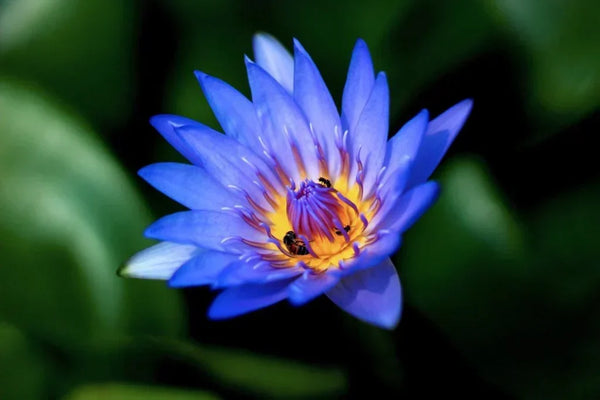
Rhododendron flowers are beautiful species that come in various shapes and forms. They can be a great addition to just about any garden, and you can mix and mash them with other beautiful plants.
However, despite their fantastic appearance, the genus holds a terrible secret. In this article, we’ll talk about the plant and its unique properties that make it stand out from other similar flowers.
Rhododendron Flowers
Although most people don't know this, the rhododendron genus features a large number of unique plants. So far, scientists have uncovered more than 1,200 species growing in various environmental conditions. The plant can be found in temperate regions of Europe, Asia, and North America, and tropical regions of Australia and Asia.
The biggest number of species can be found in Asia. In the wild, the flower can be found at more than 5,000 meters in elevation in mountains such as the Himalayas. Aside from alpine habitat, rhododendron bush is also present in rainforests, jungles, and broadleaved and coniferous woodland areas, making it one of the sturdiest, most versatile genera.
Table of Contents
Appearance
Rhododendron plants come in all sorts of shapes and forms. For example, there are rhododendron flower species that are just a few centimeters off the ground and rhododendron trees that can reach 30 meters in height. Between these two variations, you also have a plethora of rhododendron bushes with interesting leaves and flower patterns.
Speaking of leaves, they can be from one centimeter to a hundred centimeters long. As you can presume, there's also a lot of variety in terms of their shape; the plants' leaves come in elliptical, rounded, and lance-tip forms. Flowers are also extremely diverse and can be orange, purple, blue, magenta, and a mixture of these colors.
Lastly, we also need to mention the differences in bark. Like all other parts of the plant, the plant’s bark can be significantly different in terms of color and texture depending on a particular species. Most rhododendron plants flower during March, April, and May, like other species, but there are also those that flower from October to January.
Due to all these features, gardeners love using different types of rhododendrons to bring life to their backyards. In fact, rhododendron is one of the most popular plants among growers, making it a perfect choice for temperate climates without excess rainfall.
Types
Given there are so many rhododendron species in nature, we would have to write a separate book to mention them all. Because of that, we've decided to list a few of the best examples of this beautiful plant:
- April Rose (purple flower with a nice aroma)
- Blue Peter (lavender blue with bell-shaped flowers)
- Boule de Neige (sensitive white flower with small, green speckles)
- Ginny Gee (a beautiful combination of white and pink)
- Cold Prinz (yellow plant with characteristic shape)
- English Roseaum (pink and purple flowers that bloom in summer)
- Chionoides (white with yellow freckles, blooms during the spring)
- Nova Zembla (flower with intense red and pink color)
- Olga Mezitt (pink flowers that usually come in clusters of twelve)
- Rampapo (one of the smallest flowers on the list, blooms in purple)
Rhododendron plants can be a fantastic addition to any garden. If you live in Europe, Asia, or North America, you’ll likely be able to plant most species. The best thing about rhododendron is that it comes in various shapes and colors, so you can combine different species for a perfect garden mix.
The Rhododendron Blooming Cycle
Given there are so many different rhododendron plants out there, it's hard to provide a straight answer to this question. If we were to generalize, different species bloom at different times of the year, so the basic care can vary significantly based on what you're planting.
Similar to most other flora species, rhododendron usually blooms during the spring. However, there are also certain plant types that will grow during winter. For example, you might notice the first rhododendron bushes blooming when the winter comes along and start veining when the snow melts.
Except for the species, you also need to consider the local climate. The cycles might be affected by the surrounding environment changing how the plants behave. If you wish to stay on the safe side, we suggest you plant a few rhododendron seeds and monitor their progress throughout the year.
Keep in mind that many species are endemic, being contained to a certain locality, so your specific climate might not fit them well. In other words, don't be surprised if the rhododendron flowers don't show up at all.
The Dangerous Nature of Rhododendron Flowers
Despite their beautiful appearance, rhododendron plants can be a bit tricky to grow. Specifically, these plants contain grayanotoxins, a natural substance that can be dangerous to smaller animals. Because of that, the plant isn’t ideal for families that have pet dogs and cats.
For the most part, the flowers are the biggest culprit behind the poisoning, although the fruits and leaves also contain grayanotoxins. Because of that, gardeners should take care when handling the species and always wear gloves.
In case of ingestion, an animal might experience the following issues:
- Diarrhea
- Nausea
- Sickness
- Stomach pain
- Salivation
- Hypersensitivity
In nature, rhododendron poisoning is prevalent during the winter months. Given that this is a resilient winter species, wild animals tend to nibble on their leaves when grass is scarce. After ingesting any plant material, animals will experience the above-mentioned symptoms, which sometimes result in death.
Keep in mind that your pet needs to ingest just 0.2% of its weight to experience these symptoms. Luckily, rhododendron poisoning in households is a rare occurrence as most dogs and cats don't have the incentive to eat these plants. If you do notice that your pet is wobbly or vomiting, you should presume that it ingested a bit of the plant.
Honey from Rhododendron Flowers
Despite all the drawbacks, people have still found a way to capitalise on rhododendrons. Tribes living in secluded mountainous areas of Nepal have harvested honey from these flowers for several millennia. This so-called "mad honey" contains naturally occurring grayanotoxins from rhododendron nectar.
This substance is made naturally by the Himalayan honey bees (by the way, this is the largest bee species in the world). These hard-working insects collect pollen from nearby rhododendron flowers and store it in their hives. Given the limited source of food in the mountains, the substance has become the main form of sustain for the species.
Local Nepalese honey hunters climb down the steep ledges, where honey bees create their hives, and collect the precious honey. Through modern trade channels, it has even reached Western consumers.
The Limit
The limit: never more than 5 g a day – less than one level teaspoon, for adults only. Not recommended for children, during pregnancy or breastfeeding, for people with heart or blood pressure conditions, or if allergic to honey. Taking medication? Ask your doctor first. Eating more than 5 g a day can cause dizziness, nausea, cold sweats and low blood pressure. If that happens, stop, drink water and rest; if symptoms are severe, call 112 or see a doctor.
Natural Beekeeping
The good thing about mad honey gathering is that it falls under natural beekeeping policies. Nepalese honey hunters have strict policies when collecting this fantastic substance, ensuring that the bees' habitat is never endangered. Furthermore, they don't use any pesticides to stimulate the plant growth.
As a result, people who buy mad honey from our store can rest assured that nothing has been added to it: you get the same natural honey that Nepalese honey hunters harvest from the cliffs.
Conclusion
Rhododendron flower can be found in almost any corner of the world. Depending on the species, it can be grown in temperate or humid climates, in meadows or mountains. Although beautiful in appearance, the plant can be deadly for animals.
Perhaps the most intriguing thing about rhododendrons is that bees use them to create mad honey, which contains naturally occurring grayanotoxins from rhododendron nectar.
If you’re interested in tasting mad honey, you can find it in our store. Every batch is tested by an independent laboratory for its grayanotoxin content.