Mad honey, also known as red honey, has been known to people for several millennia. It is made by the Himalayan giant honey bee (Apis laboriosa) and contains naturally occurring grayanotoxins from rhododendron nectar. In this article, we’ll talk about the history of mad honey, how it is produced and harvested, and what to know before you buy it.
History of Mad Honey
Mad honey history is much more interesting than you might think. People living in modern-day Turkey have known it since 2100 BC, and in Nepal, honey hunters have long harvested it from the cliffs.
The first official mention dates back to the 4th century BC, when the Greek historian Xenophon wrote about honey from the Black Sea region that the Greek army came across on its way home after beating the Persians.
Although usually connected to Turkey and Nepal, rhododendron honey can also be found in the USA.
Nowadays, it is sought after all over the world.
Table of Contents
How Is Mad Honey Produced?
Many enthusiasts have asked us how to make mad honey. Like any other type of honey, this substance is made through pollination, and, importantly, it's a product of natural beekeeping practices. To be precise, you’ll need flowers called rhododendron and bees from the species Apis laboriosa (the largest bees in the world).
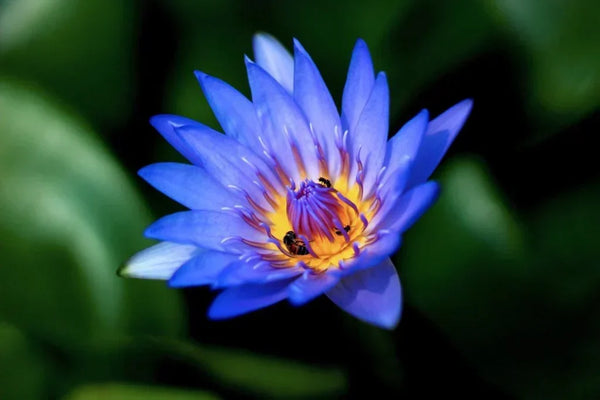
During the process, the bees land on rhododendron flowers and gather the pollen. Then, they fly back to the nest, leaving it there. They commonly carry the pollen with their legs but might also use the hair on their abdomen. Later on, the local harvesters visit the honeycombs and take them back to their villages for extraction.
Mad honey can only be produced in the right environmental conditions. The Himalayan giant honey bees usually nest at heights of 8,200 to 9,800 feet, while rhododendron needs a partially sheltered place with limited access to sunlight. In other words, it comes from mountainous areas.
Harvesting Mad Honey
In normal, natural conditions, mad honey can only be found at 8,000 feet above the ground. Harvesters commonly use rope ladders to reach nooks and crannies within mountains where Apis laboriosa swarms have their nests. But before they can access the hives, the harvesters light fires at the base of the cliffs to smoke the bees away from the combs.
Once the smoke has done its work, another team lowers the ladder from atop the cliff. Then, they climb down the ladder barefooted for extra grip. The harvesters use long poles to detach the honeycombs from the stone. Once the honeycombs fall down, they’re collected and brought back to villages where mad honey is extracted for further use.
Rhododendron and Grayanotoxins
Rhododendron is a flowering plant that contains grayanotoxins in its nectar and pollen. As a result, mad honey contains naturally occurring grayanotoxins from rhododendron nectar, and every batch of Real Mad Honey is tested by an independent laboratory for its grayanotoxin content.
Precautionary Measures
Mad honey is not for everyone. Not recommended for children, during pregnancy or breastfeeding, for people with heart or blood pressure conditions, or if allergic to honey. Taking medication? Ask your doctor first.
What Happens If You Eat Too Much Mad Honey?
Eating more than 5 g a day can cause dizziness, nausea, cold sweats and low blood pressure. If that happens, stop, drink water and rest; if symptoms are severe, call 112 or see a doctor.
How Much Mad Honey Per Day?
The limit is simple: never more than 5 g a day – less than one level teaspoon, for adults only.
Buying Mad Honey
Before taking mad honey abroad, make sure to check the local regulations.
Mad honey is easily obtainable through various online platforms, including our Real Mad Honey store. Although you can find cheap products that go for $10 to $15 per ounce, we suggest you avoid them. Quality mad honey is more expensive than that, costing at least $30 to $35 per ounce.
Ethical Aspects
Mad honey has been part of local culture in Turkey and Nepal for centuries, and it remains an important part of regional culture today.
Conclusion
In many ways, mad honey is a fascinating substance. It can only be gathered in a few locations around the world, which gives it exclusivity. The dangers associated with collection are another reason why the product is so expensive.
Whatever the case, mad honey is a rare honey with a long history, harvested from mountain cliffs by honey hunters.
If you wish to try this amazing substance, you should check out some of the amazing mad honey products available in our store!
FAQ
How can I tell if the honey I’ve purchased is truly mad honey?
The most reliable way is to check the manufacturer’s label and ask the seller for a batch-specific lab report from an independent laboratory showing the grayanotoxin content of the honey.
Can I cook with mad honey, or should it only be consumed raw?
Yes. You can use mad honey in cooking and baking – just add it once your dish has cooled below 40 °C.
Who should avoid consuming mad honey?
Not recommended for children, during pregnancy or breastfeeding, for people with heart or blood pressure conditions, or if allergic to honey. Taking medication? Ask your doctor first.
Is mad honey the same as manuka honey?
No, they’re not the same. Manuka honey comes from the manuka bush, while mad honey contains naturally occurring grayanotoxins from rhododendron nectar.
What happens if you eat too much mad honey?
Eating more than 5 g a day can cause dizziness, nausea, cold sweats and low blood pressure. If that happens, stop, drink water and rest; if symptoms are severe, call 112 or see a doctor.
How much mad honey can I eat?
Never more than 5 g a day – less than one level teaspoon, for adults only.
How do you make mad honey?
Mad honey is made when bees collect rhododendron flowers. Due to the natural habitat of these flowers, it is hard to replicate conditions in which mad honey would be produced.
Where does mad honey come from?
Mad honey is a substance indigenous to Turkey and Nepal.
Is every batch of mad honey the same?
No. The grayanotoxin content can vary from beehive to beehive and from region to region, which is why every batch of Real Mad Honey is tested by an independent laboratory for its grayanotoxin content.
What makes mad honey different from regular honey?
Mad honey contains naturally occurring grayanotoxins from rhododendron nectar. Bees collect this nectar from rhododendron flowers in the mountains of Nepal and Turkey.