Truth be told, many people who come to our site are curious about what makes mad honey so different from regular honey (and yes, it’s delicious!). One of the most common questions we get is simply: what is it?
This incredible substance is a natural phenomenon and probably the most renowned subtype of honey. Still, it’s very different from the regular honey you buy from local farmers. While somewhat similar in taste, it has numerous other properties that make it stand out from similar products.
In this article, we answer some of the most common questions about mad honey: where its grayanotoxins come from, how it is tested and how to serve it.
Table of Contents
Where Do Mad Honey’s Grayanotoxins Come From?
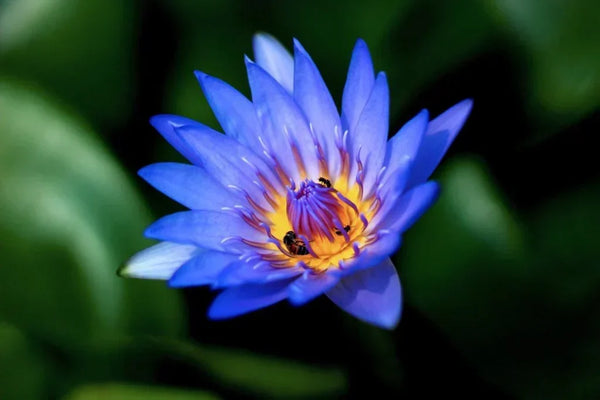
As we've mentioned in some of our previous articles, mad honey contains naturally occurring grayanotoxins from rhododendron nectar. When bees collect nectar from rhododendron flowers, the grayanotoxins end up in their honey.
How Much Mad Honey Per Day?
The limit is simple: never more than 5 g a day – less than one level teaspoon, for adults only.
What If You Eat Too Much?
Eating more than 5 g a day can cause dizziness, nausea, cold sweats and low blood pressure. If that happens, stop, drink water and rest; if symptoms are severe, call 112 or see a doctor. Not recommended for children, during pregnancy or breastfeeding, for people with heart or blood pressure conditions, or if allergic to honey. Taking medication? Ask your doctor first.
The grayanotoxin content can vary from batch to batch, which is why every batch of Real Mad Honey is tested by an independent laboratory for its grayanotoxin content.
What Does Mad Honey Taste Like?
Mad honey is somewhat similar in taste to regular honey, but its colour and thickness can vary from batch to batch: some batches are darker and denser than others.
How to Serve Mad Honey
There are plenty of ways to enjoy mad honey. The simplest is on its own, within the 5 g limit above.
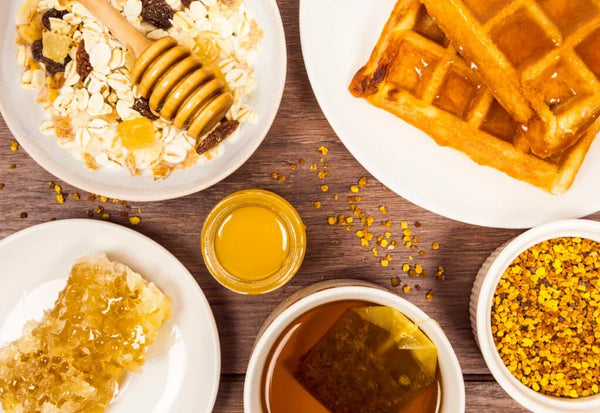
Like any other honey, you can use it in various meals. It also goes well with desserts, tea and other drinks – just add it once they have cooled below 40 °C.
Due to its density, it’s hard to spread honey evenly through a dish, so the grayanotoxins may not be evenly spread either. Make sure you stay under 5 g a day in total.
In Short
Mad honey is a great-tasting honey made from rhododendron nectar, and Nepalese and Turkish locals have known it for a very long time.
Never more than 5 g a day – less than one level teaspoon, for adults only.