Key Takeaways
- Name: "Deli bal" is Turkish for "mad honey", literally "crazy honey".
- Origin: Deli bal is made by beekeepers in Turkey's Black Sea region from rhododendron nectar, which contains naturally occurring grayanotoxins.
- History: The Greek writer Xenophon wrote about honey from this coast in 401 BC.
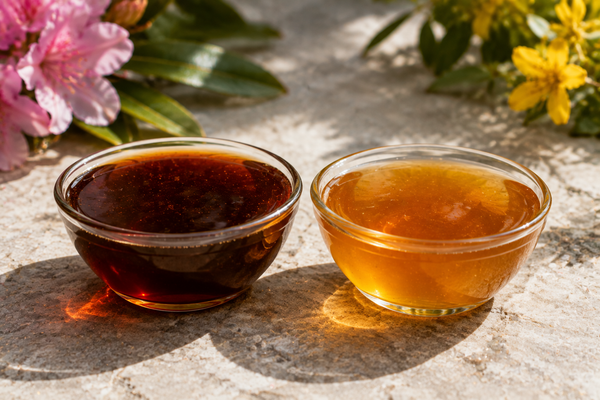
- Taste: Deli bal is lighter in colour, smoother and less bitter than Nepali mad honey.
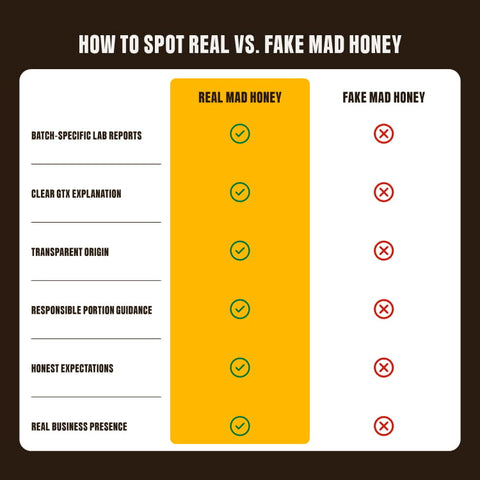
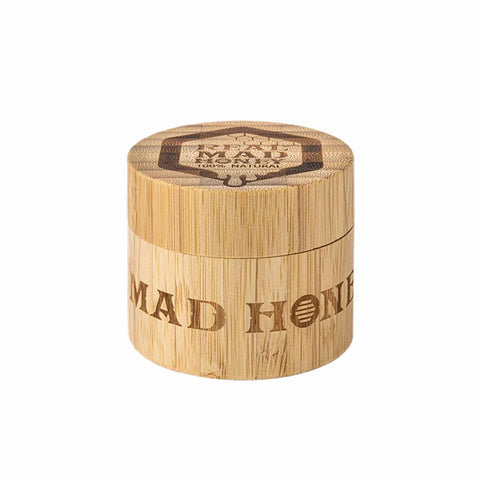
- Check the jar: Look for a named origin, a batch lab report and clear label information.
Deli bal is the Turkish name for mad honey. It's made by beekeepers along Turkey's Black Sea coast, where bees collect nectar from rhododendron flowers. That nectar contains naturally occurring grayanotoxins, which end up in the honey and set it apart from ordinary Turkish honey.
The Meaning Behind the Name Deli Bal
In Turkish, "deli" means crazy or mad, and "bal" means honey. "Mad honey" is simply the English translation of a name people in the Black Sea region have used for a long time.
In Turkey, "deli bal" refers specifically to honey made from rhododendron nectar. Ordinary Turkish honey from other flowers doesn't carry the name.
Where Deli Bal Is Made
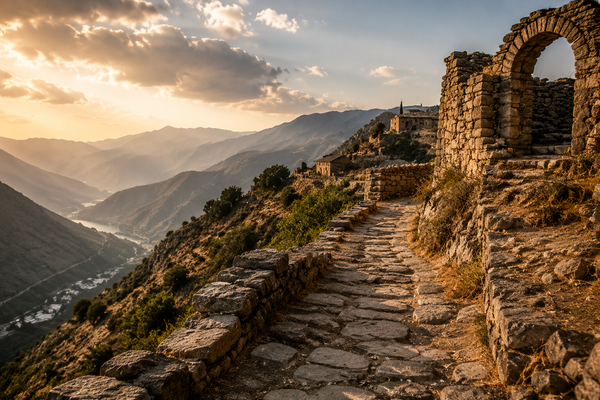
Deli bal is one of the two best-known mad honey origins, and it comes from the humid, forested slopes along Turkey's Black Sea coast, around the Kaçkar Mountains. Local beekeepers move their hives up to the rhododendron slopes while the flowers bloom, then collect the honey once the season ends.
Deli bal is a small part of the honey made in the region, since it depends on a short flowering window and on hives sitting in the right place at the right time.

2,400 Years of Written History
Few foods have a written history this long. The Black Sea coast was part of the Greek and Roman world, and ancient writers mentioned the honey of this region. The best-known account comes from the Greek writer Xenophon, who wrote about honey from this coast in 401 BC, during the Greek army's march home. Later writers, including the geographer Strabo and the Roman naturalist Pliny the Elder, also wrote about the honey of Pontus, the ancient name for this stretch of coast.
The history and culture of mad honey goes into more detail.
What Deli Bal Tastes Like
Like all mad honey, deli bal has a more bitter, earthy taste than ordinary honey. Compared with Nepali mad honey, it is typically lighter in colour, smoother and less bitter. Colour and flavour vary with the season and the flowers, so two harvests rarely taste exactly alike.
For more, read what mad honey tastes like and Nepali vs Turkish mad honey.
Grayanotoxin Content Varies by Harvest
The grayanotoxin content of deli bal depends on the season, the altitude and the rhododendrons the bees worked, so it differs from harvest to harvest. That's why every batch of Real Mad Honey, Turkish and Nepali, is tested by an independent laboratory for its grayanotoxin content. On our Lab Report page you can look up the report that applies to your order.
Label Information
Never more than 5 g a day – less than one level teaspoon, for adults only.
Eating more than 5 g a day can cause dizziness, nausea, cold sweats and low blood pressure. If that happens, stop, drink water and rest; if symptoms are severe, call 112 or see a doctor. Not recommended for children, during pregnancy or breastfeeding, for people with heart or blood pressure conditions, or if allergic to honey. Taking medication? Ask your doctor first.
How to Spot Authentic Deli Bal
Deli bal has a long reputation, and some sellers use the name loosely. A few checks will tell you whether you're buying authentic Turkish mad honey.
| What to check on a deli bal jar | What to look for | Why it matters |
|---|---|---|
| Origin | A named region, such as Turkey's Black Sea coast, not just "Turkish honey" | Deli bal only comes from areas where these rhododendrons grow |
| Lab report | A report for the batch on sale, showing its grayanotoxin content (GTX I and GTX III) | Grayanotoxin content differs from harvest to harvest |
| Label information | A clear maximum amount and who the honey isn't recommended for | A responsible seller states the limit and the warnings plainly |
| How it is described | Origin, harvest and taste, with no health claims and no "strongest" promises | Mad honey is a food, and honest sellers describe it as one |
Final Thoughts
More than 2,400 years after Xenophon wrote about the honey of the Black Sea coast, deli bal is still made on the same hills by local beekeepers, from the same rhododendron nectar. What has changed is that you can now see a lab report for the honey you buy.