Mad honey has been known to mankind for several millennia. In Nepal, honey hunters harvest it from Himalayan cliffs, and it is made by the Himalayan giant honey bee (Apis laboriosa) from rhododendron nectar.
In this article, we will talk about the honey’s cultural importance, its flavour and what it is made of.
Table of Contents
Historical and Cultural Context
Although mad honey is somewhat of a mystery to Western consumers, it has been harvested in Nepal for thousands of years. The local Gurung communities have their own method of collecting it by climbing down the treacherous Himalayan cliffs. During the process, the Nepalese honey hunters use long sticks to poke honeycombs off the cliffs and, later on, collect the honey.
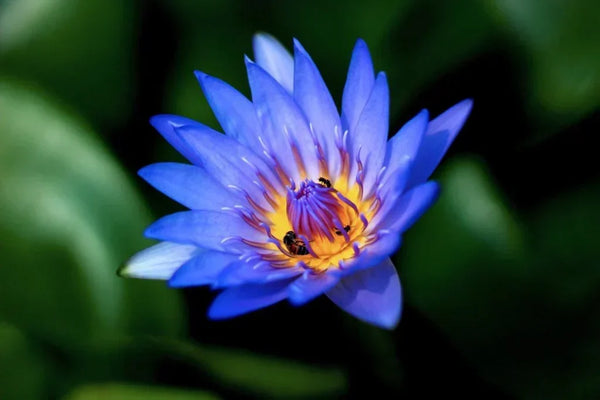
Another interesting thing about mad honey is that it’s produced by the world’s largest bee – the Himalayan giant honey bee (Apis laboriosa). These insects fly around the area collecting nectar from winter-resilient rhododendron flowers, which is how the honey comes to contain naturally occurring grayanotoxins from rhododendron nectar.
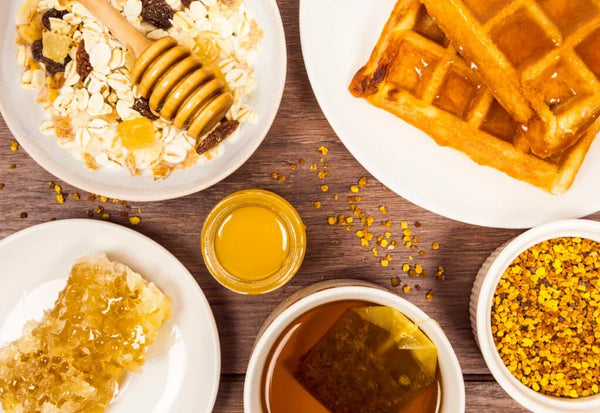
The honey has a distinct smoky flavour reminiscent of maple syrup. Both locals and foreigners use it in various recipes: you can add it to baked goods and tea, or use it to glaze meat – just add it once the dish or drink has cooled below 40 °C.
Keep in mind that not all mad honey is the same. Its grayanotoxin content varies based on where it was collected and the type of flowers local bees visit, and mad honey can also differ in colour.
What Is in Mad Honey
Mad honey is still somewhat of a novelty. Because it can only be found on inaccessible cliffs, harvesting it is extremely hard and even dangerous, and only limited quantities are available.
Chemical composition
The composition of mad honey can vary significantly based on the flowers that the bees visited. For example, one batch can contain more grayanotoxins than the previous one, which is why every batch of Real Mad Honey is tested by an independent laboratory for its grayanotoxin content.
Like other honey, Nepalese mad honey contains amino acids, enzymes, organic acids, sugars and other compounds. For the most part, mad honey isn’t that different from field honey that you can find at a local market. As mentioned, the main difference is that it contains naturally occurring grayanotoxins from rhododendron nectar.
That is why we keep the limit simple: never more than 5 g a day – less than one level teaspoon, for adults only. Not recommended for children, during pregnancy or breastfeeding, for people with heart or blood pressure conditions, or if allergic to honey. Taking medication? Ask your doctor first.
Myths vs. Facts
As with anything new, there are lots of misconceptions about mad honey swirling around the blogosphere. Here is one of the most common:
Myth: All mad honey is the same
Fact: The biggest issue with mad honey is that the market is relatively unregulated. Anyone can sell it, which can lead to fraud and subpar product quality. The grayanotoxin content can also vary significantly from batch to batch, so only buy from sellers who have every batch tested by an independent laboratory for its grayanotoxin content
Conclusion
We take pride in delivering a top-quality product, and every batch of Real Mad Honey is tested by an independent laboratory for its grayanotoxin content. To learn more about how we work, read our natural beekeeping guide.